English
 中文
中文



As technology continues to weave itself into the fabric of our environments, LED furniture has evolved from a decorative novelty to a strategic element in shaping both residential and commercial spaces. What sets modern LED furniture apart is its ability to do more than just emit light—it tells stories, enhances interactions, and adapts to the ever-changing needs of users. From bustling urban cafes to serene home offices, these luminous pieces are redefining how we perceive and engage with the spaces around us, blending cutting-edge tech with human-centric design.
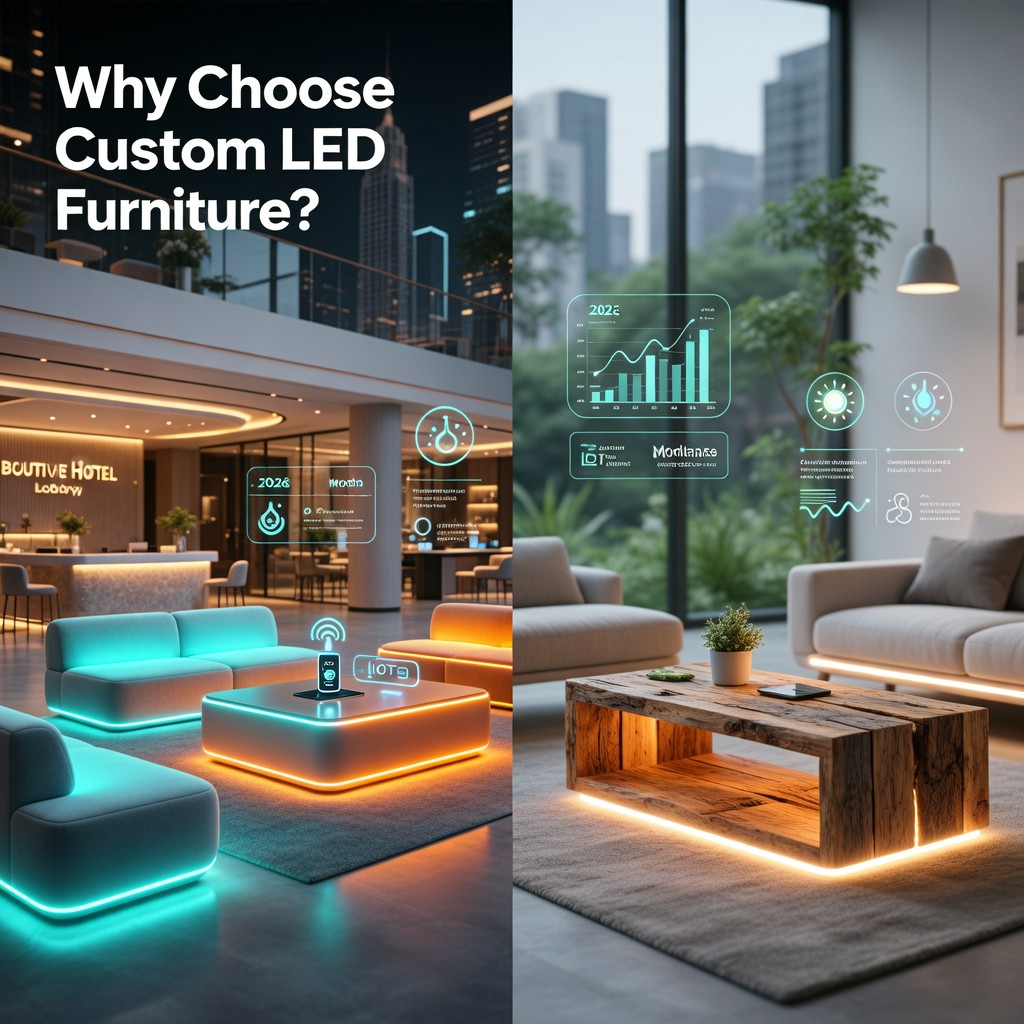
The commercial sector has become a hotbed for LED furniture innovation, where its ability to attract attention and boost brand identity is unmatched. Retail stores, for instance, are leveraging LED-integrated display racks and mannequins to highlight merchandise in a vivid, memorable way. A clothing boutique might use soft, color-shifting LED shelves to complement seasonal collections—warm oranges and reds for fall lines, cool blues and greens for summer assortments—creating an immersive shopping experience that encourages customers to linger. Similarly, event planners rely on LED furniture to transform venues: portable LED bar counters, glowing seating pods, and even illuminated dance floors turn ordinary weddings, conferences, and music festivals into visually stunning affairs that leave a lasting impression. In hospitality, hotels use LED headboards and nightstands in guest rooms to offer personalized lighting controls, allowing travelers to set the perfect ambiance for work or relaxation, thereby elevating their overall stay.
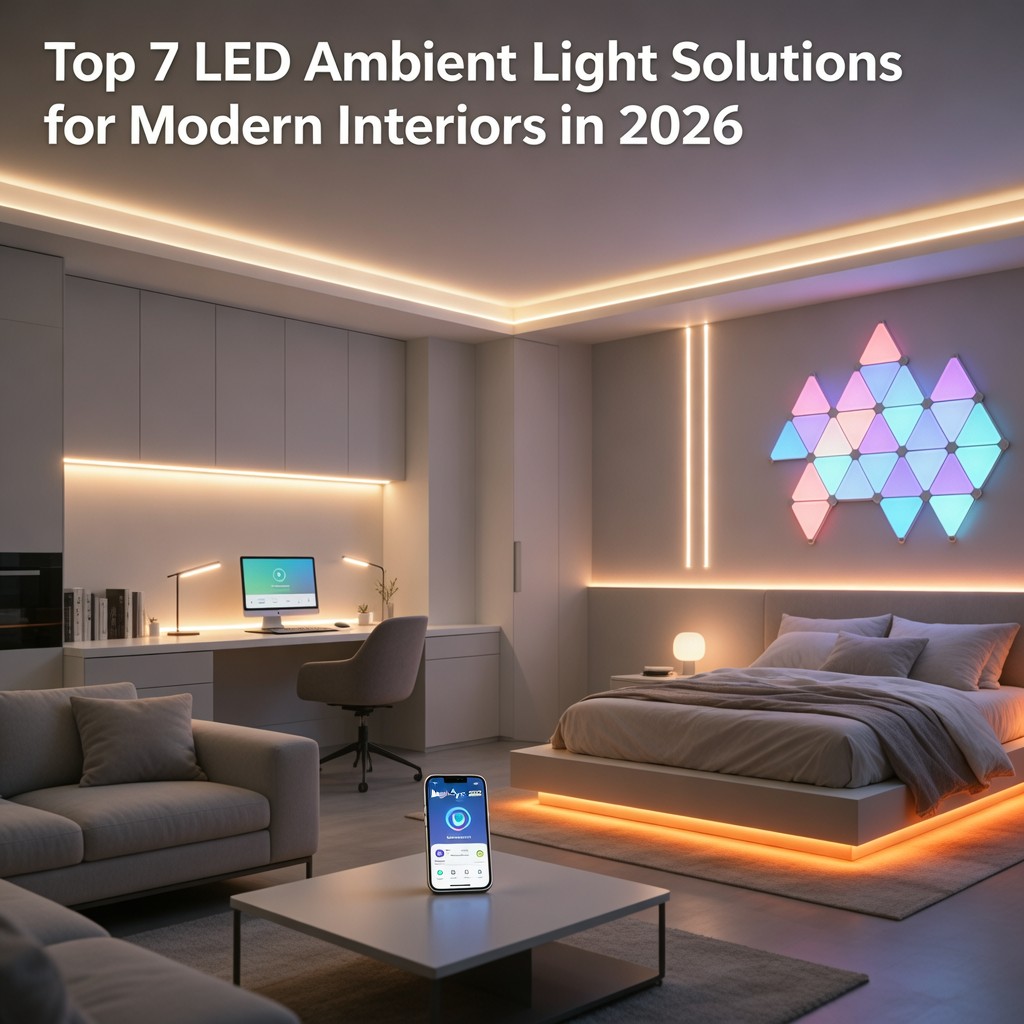
The integration of LED furniture with smart home ecosystems has further expanded its utility, making it a cornerstone of modern connected living. Many LED furniture pieces now sync seamlessly with smart speakers, thermostats, and even security systems, creating cohesive 'scenes' that adapt to daily routines. Imagine arriving home after work: as you unlock the door, your LED coffee table automatically illuminates with a soft warm light, your LED bookshelf adjusts to highlight your favorite reads, and the LED strips in your sofa cushions dim slightly as your smart TV turns on. For remote workers, LED desks with adjustable color temperatures can mimic natural sunlight during the day to boost focus and switch to a calming cool white in the evening to reduce eye strain. Some advanced models even include motion sensors, turning off lights when a room is empty to save energy—a perfect blend of convenience and sustainability.
Another key trend in LED furniture design is the focus on interactivity, which fosters deeper connections between users and their spaces. Interactive LED tables, for example, allow users to change colors or lighting effects with a simple touch, making them ideal for family game nights or collaborative work sessions. In public spaces like libraries or co-working hubs, LED benches that respond to occupancy—glowing brighter when someone sits down and dimming when vacant—help guide people to available seating while adding a playful touch to the environment. For children’s rooms, LED furniture takes on an educational role: glow-in-the-dark LED beds shaped like stars or animals can double as learning tools, with lights that spell out letters or numbers, turning bedtime into a fun, engaging experience.
Sustainability remains a driving force behind the development of LED furniture, with manufacturers increasingly prioritizing eco-friendly materials and energy-efficient technologies. Many modern pieces are made from recycled plastics, reclaimed wood, or biodegradable materials, paired with low-power LED bulbs that consume up to 80% less energy than traditional lighting. Some brands have even introduced modular LED furniture systems, allowing users to replace individual components (like LED strips or power sources) instead of buying entirely new pieces—reducing waste and extending the product’s lifecycle. This commitment to sustainability not only appeals to environmentally conscious consumers but also aligns with global regulations aimed at reducing carbon emissions.
Looking to the future, LED furniture is set to become even more intuitive and integrated. Advances in artificial intelligence (AI) may lead to pieces that learn user preferences over time, automatically adjusting lighting based on mood, activity, or even health data (such as sleep patterns or stress levels). Augmented reality (AR) integration could allow users to 'preview' how different LED furniture pieces will look in their space before making a purchase, eliminating guesswork and ensuring a perfect fit. Additionally, the rise of minimalistic design may inspire sleek, low-profile LED furniture that blends seamlessly with any decor while still delivering powerful illumination and functionality.
In summary, LED furniture has transcended its role as a mere lighting accessory to become a transformative element in space design. Its ability to enhance brand identity in commercial settings, simplify daily routines in smart homes, and foster interaction in public spaces makes it a versatile and valuable addition to any environment. As technology advances and sustainability becomes increasingly important, LED furniture will continue to evolve, offering even more innovative ways to illuminate, connect, and enrich our lives. Whether in a busy retail store, a cozy home, or a vibrant event venue, LED furniture is more than just light—it’s a catalyst for better, more engaging spaces.















 Tel: +86-752-5326076
 Mobile:+86-13824294431
 E-mail:jasondin@126.com
 Website:www.huajun-led-furniture.com
 Address: China's Huizhou City, Guangdong Province, Huiyang District, Zhenlong Town, Long Village 33 #
 Alibba Site